
DATA ANALYSIS (13 IN 1)

DATA ANALYSIS (13 NI 1) COMPLETE COURSE

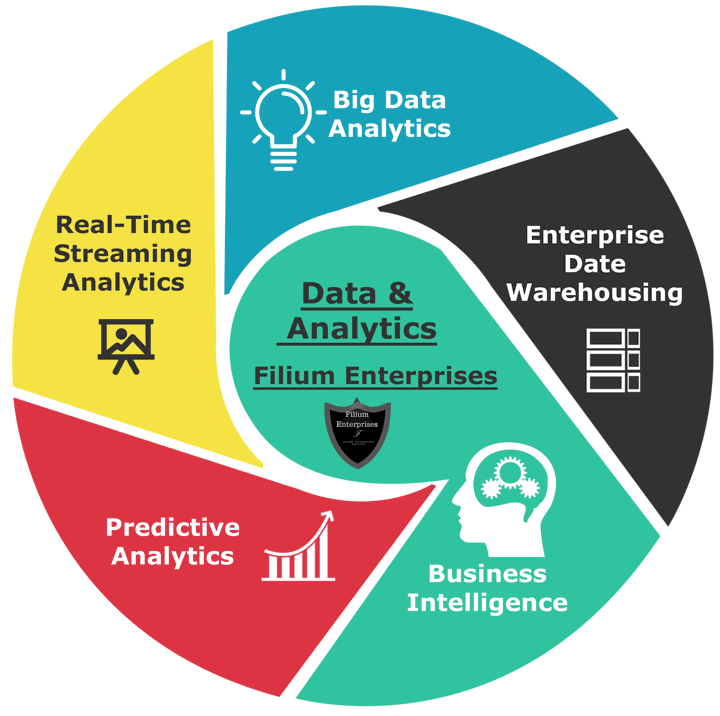
Is about inspecting, cleansing, transforming, and modeling data to discover useful information, make informed decisions, and support conclusions. It includes several techniques and approaches based on the type of data and the analysis goal. If you can learn and know this digital skills you are going to be hot cake in digital market.

THE MAIN STEP OF DATA
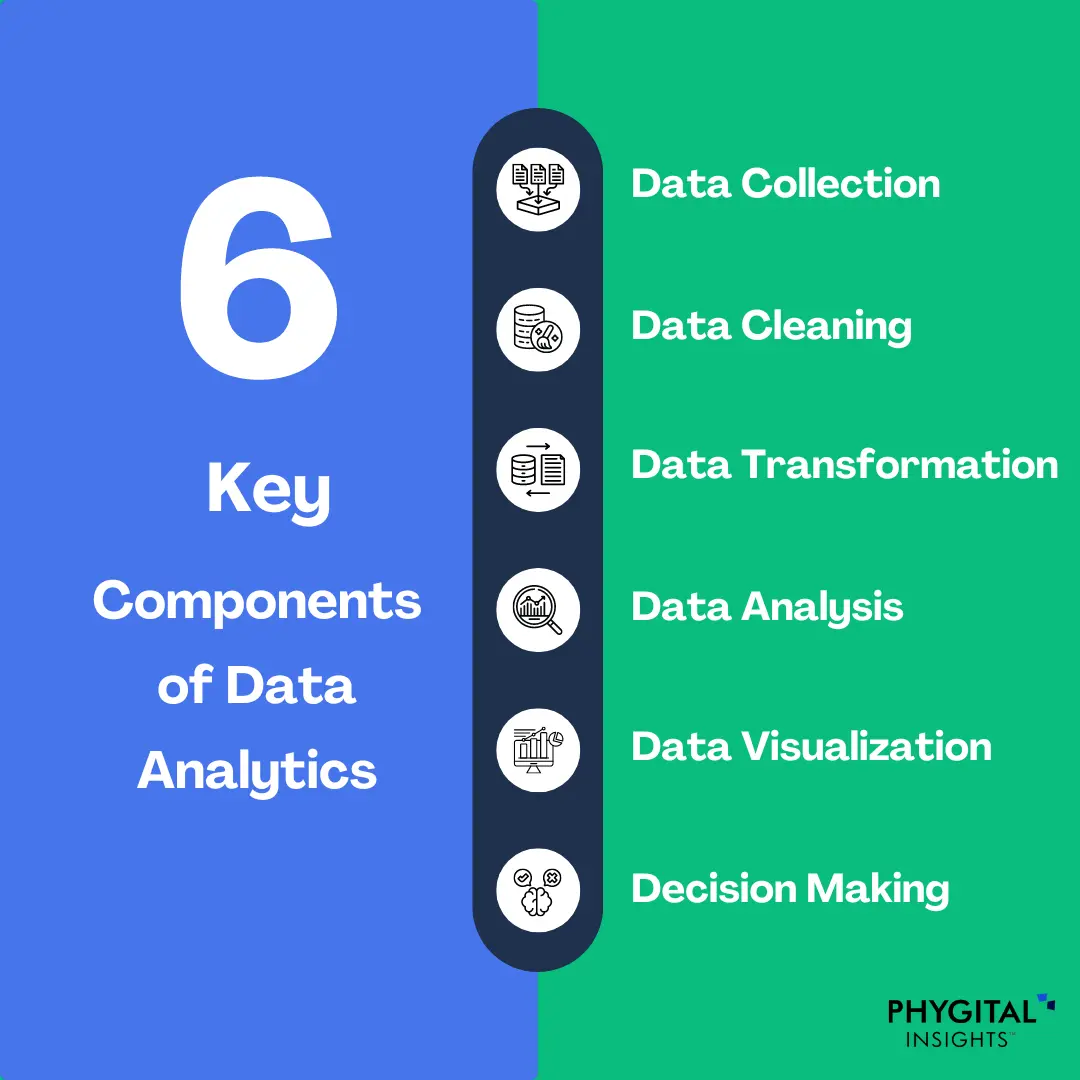
1. Data Collection:
Gathering relevant data from different sources, such as surveys, databases, sensors, etc.
2. Data Cleaning
Removing or correcting errors and inconsistencies in the data, like missing values or duplicate entries.
3. Exploratory Data Analysis (EDA):
Using statistical methods and visualizations to understand the structure, patterns, and trends in the data. Tools include summary statistics, histograms, scatter plots, and box plots.
4. Data Transformation: Normalizing, scaling, encoding, or aggregating data to prepare it for analysis or modeling.
5. Data Modeling: Applying algorithms and statistical models to predict outcomes, classify data, or discover relationships. This can include machine learning models like regression, clustering, decision trees, etc.
6. Data Interpretation: Drawing conclusions based on the analysis, identifying actionable insights, and presenting the results in a clear manner through reports, dashboards, or visualizations.
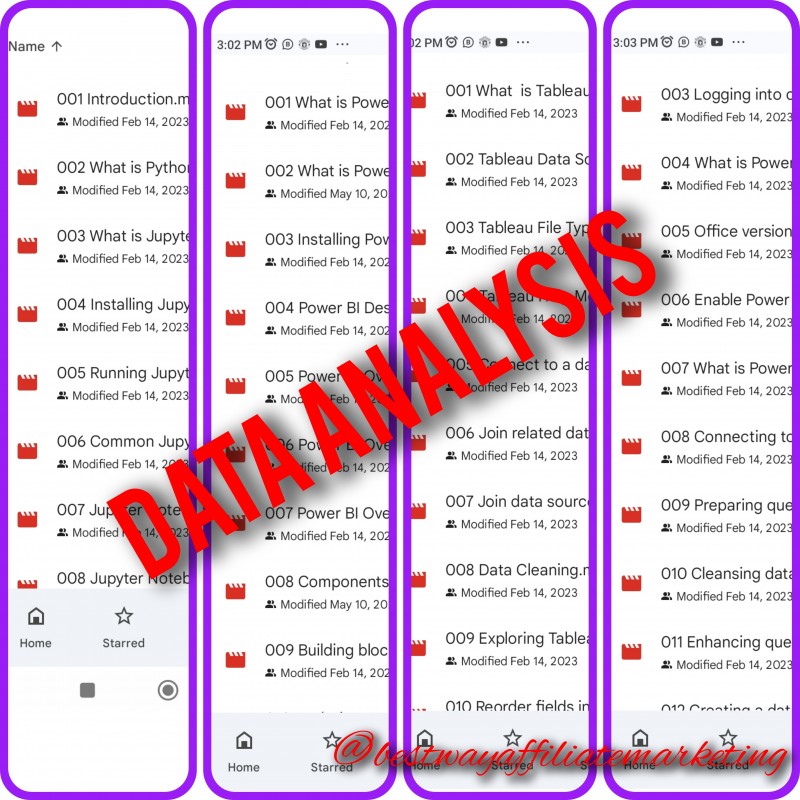
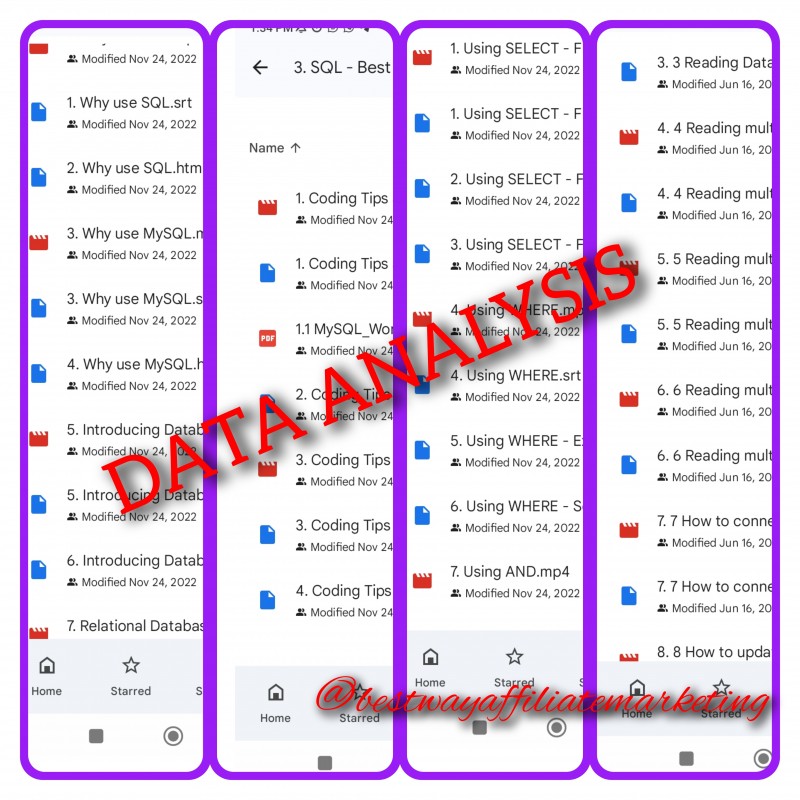
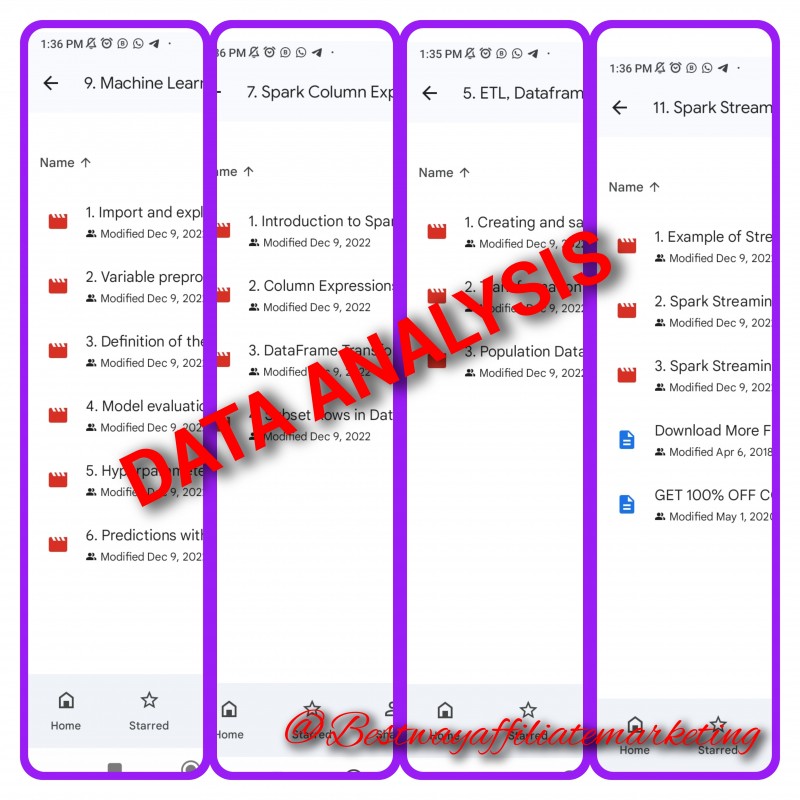
NOTE : All the course is recorded in video format that you can learn it at your own convenience time.

Data analysis offers several key benefits uacross various industries and fields:
1. Informed Decision-Making: It provides insights from raw data, helping organizations make data-driven decisions rather than relying on intuition or guesswork.
2. Identifying Trends and Patterns: By analyzing data, organizations can identify trends, patterns, and correlations, which can lead to innovations, improved strategies, or better forecasting.
3. Improving Efficiency: Data analysis helps businesses optimize operations by revealing inefficiencies or bottlenecks, leading to cost savings and better resource allocation.

4. Enhancing Customer Experience: Understanding customer behavior through data helps companies personalize services, improve products, and build stronger relationships with their audience.
5. Risk Management: Data analysis can predict potential risks or challenges, allowing organizations to take preventative actions.
6. Competitive Advantage: Companies that effectively leverage data can outperform their competitors by anticipating market shifts and staying ahead in their industry.

7. Better Targeting in Marketing: Through the analysis of customer data, businesses can create more effective marketing campaigns by targeting the right audience with the right message at the right time.
WHAT TO LEARN IN THE CLASS

👉 DATA ANALYSIS USAGE
👉 POWER BI
👉 EXCEL
👉 PYTHON
👉 PYTHON ENVIRONMENT
👉 REGRESSION
👉 SQL
👉 QLINK
👉 TABLEAU
👉 APACHE SPARK
👉 ALTAIR
👉 MINTAB
BONUS
👉 DATA SCIENCE FULL COURSE